
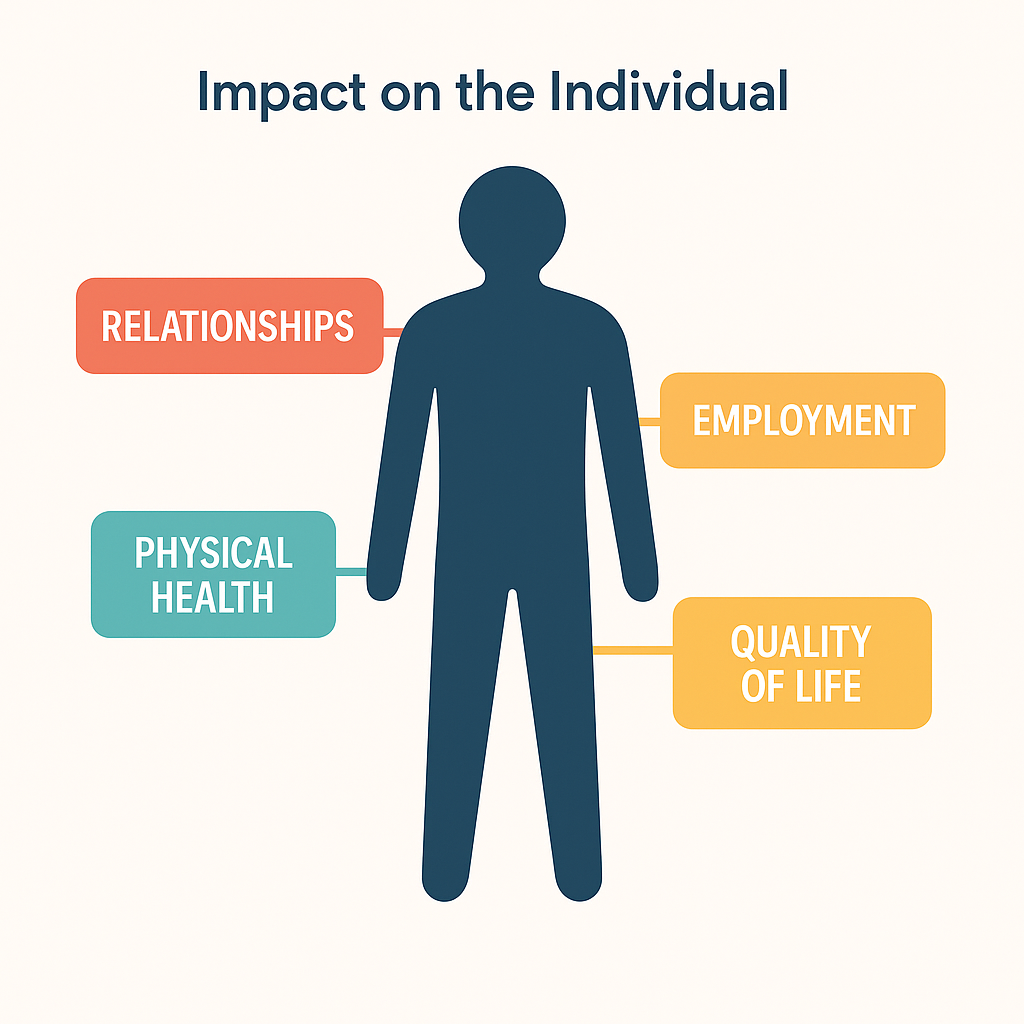
Mental health conditions can influence an individual’s life in several ways. The effects can be seen in personal relationships, employment, education, physical health, and overall quality of life.
Personal Relationships
Mental health disorders can place a significant strain on personal relationships. Symptoms such as mood swings, withdrawal from social interactions, and changes in behavior can create misunderstandings and tensions within families, friendships, and partnerships. Support work here involves facilitating communication, encouraging therapy or counseling, and providing education to loved ones about mental health conditions.
Employment and Education
Work and educational environments often require concentration, consistent performance, and social interaction, which can be challenging for individuals with mental health issues. Disorders may lead to absenteeism, reduced productivity, and difficulty in sustaining employment or academic achievement. Support workers play a crucial role in advocating for reasonable adjustments, supporting clients in accessing vocational and educational services, and working with employers and educators to foster understanding.
Physical Health
There is a strong interconnection between mental and physical health. Mental health disorders can lead to, or exacerbate, physical health issues due to neglect of self-care, unhealthy coping mechanisms, or as side effects of psychiatric medication. Conversely, physical health problems can impact mental wellbeing. Support workers must adopt a holistic approach, ensuring clients receive comprehensive care that addresses both mental and physical health needs.
Quality of Life
Mental health conditions can severely affect an individual’s overall quality of life, influencing their ability to engage in leisure activities, maintain a healthy lifestyle, and achieve personal goals. Support work in this area may involve helping individuals rediscover hobbies and interests, setting realistic goals, and building a structured daily routine that promotes wellbeing.
Societal Impact of Mental Health Disorders
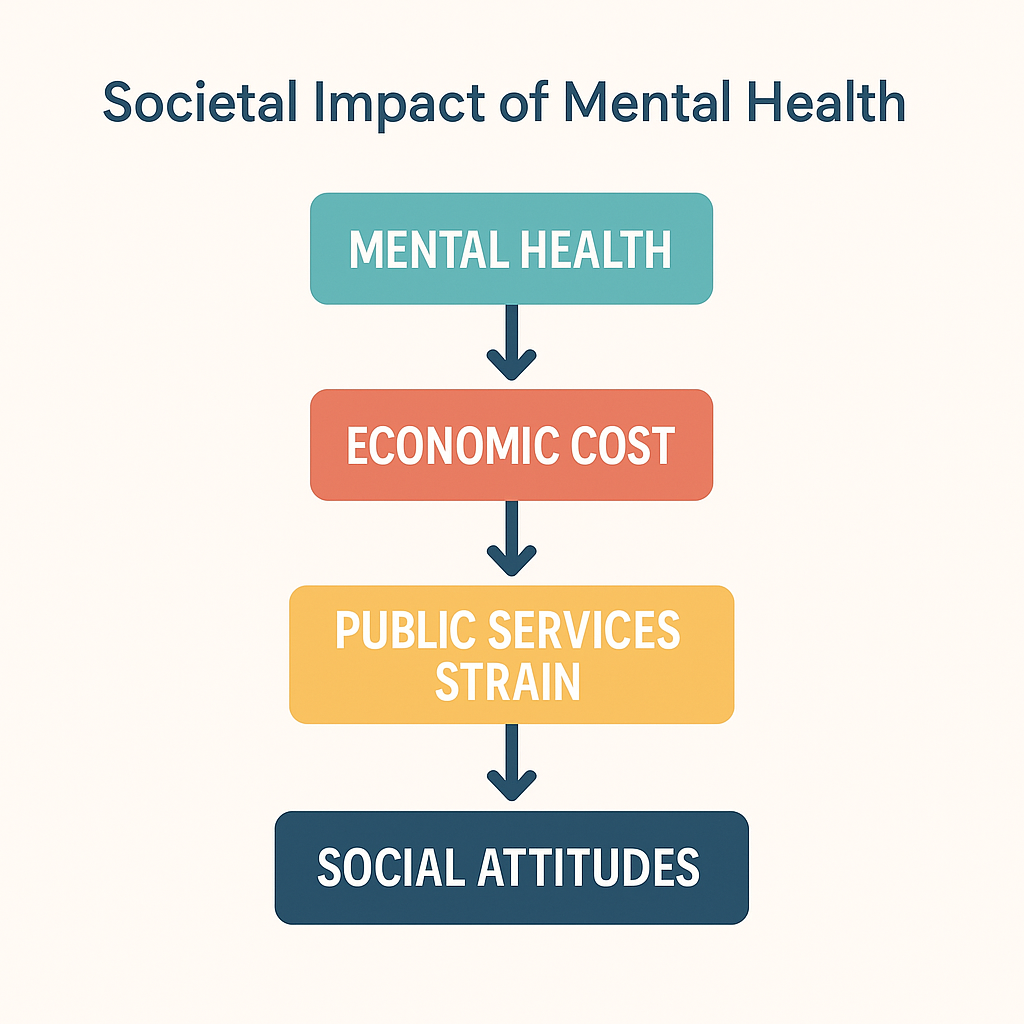
Mental health issues not only affect the individual but also have wider implications for society. These can include economic costs, impacts on public services, and societal attitudes towards mental health.
Economic Costs
Mental health disorders can lead to significant economic costs due to lost productivity, healthcare expenses, and social welfare support. The role of support work includes assisting individuals in navigating the benefits system, accessing community resources, and promoting sustainable employment opportunities.
Impact on Public Services
The prevalence of mental health conditions can place a strain on public services, including healthcare, social care, and the criminal justice system. Support workers can help alleviate this pressure by providing early intervention, facilitating access to appropriate services, and coordinating care across multiple agencies.
Societal Attitudes
Stigma and discrimination associated with mental health can lead to social exclusion and reinforce negative stereotypes. Support workers are in a position to challenge these attitudes by raising awareness, promoting mental health education, and advocating for the rights of those with mental health conditions.