
Fats often have a negative reputation, but they are an essential part of a healthy diet. They provide a concentrated source of energy, are necessary for the absorption of certain vitamins (A, D, E, and K), and play a key role in brain health and hormone production.
Fats can be saturated or unsaturated. Saturated fats are typically solid at room temperature and are found in animal products and some tropical oils. Eating a diet high in saturated fats can lead to increased levels of LDL (bad) cholesterol and a higher risk of heart disease.
Unsaturated fats are usually liquid at room temperature and are found in plant oils, nuts, seeds, and fish. These fats can help reduce the risk of heart disease by lowering LDL cholesterol and increasing HDL (good) cholesterol levels.
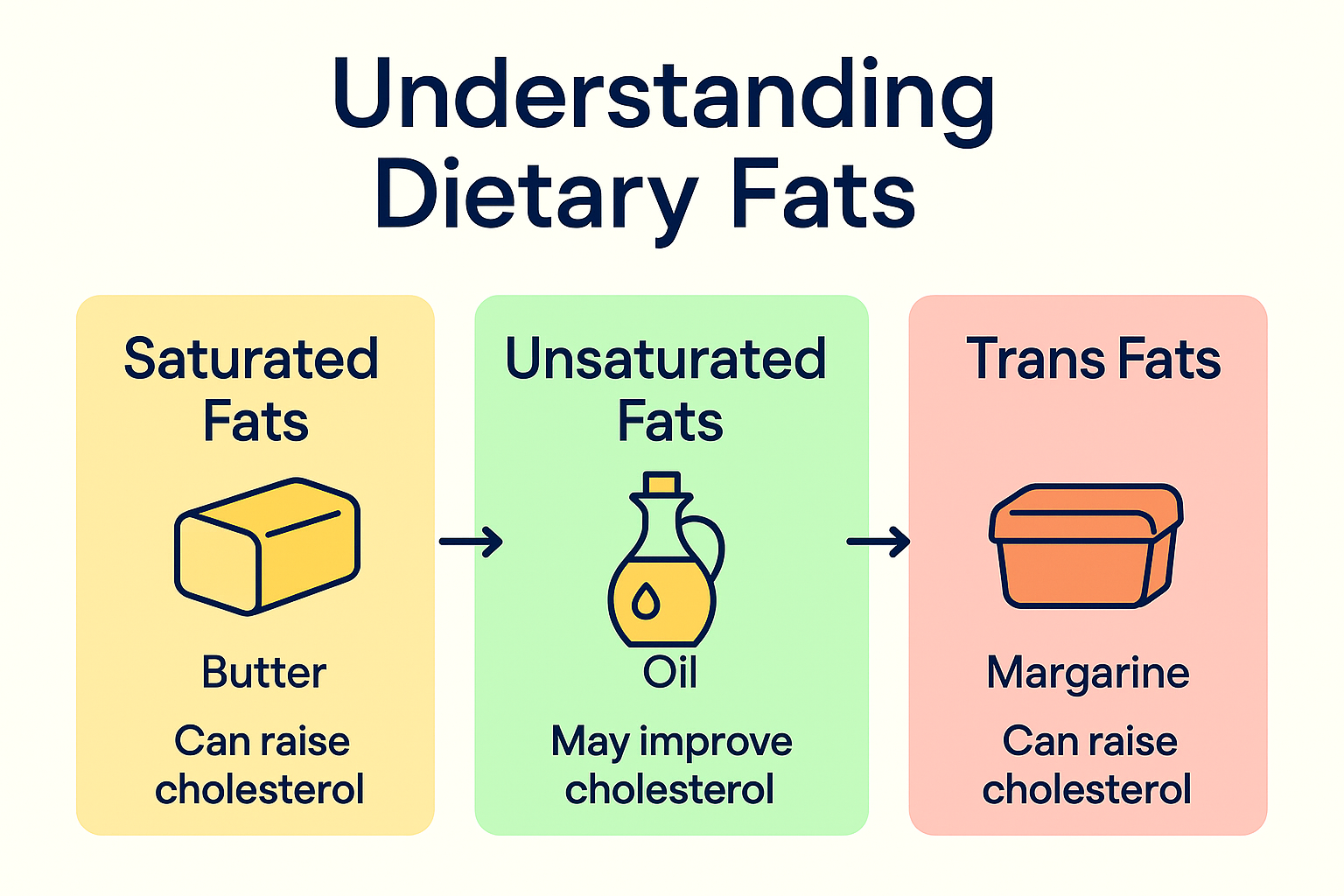
Trans fats are another type of fat that should be limited in the diet. They are created through an industrial process that adds hydrogen to liquid vegetable oils to make them more solid. Trans fats can increase the risk of heart disease more than any other type of fat.
Key Points:
– Fats are an essential part of the diet, necessary for energy, vitamin absorption, brain health, and hormone production.
– Saturated fats can raise LDL cholesterol levels, while unsaturated fats can lower them.
– Trans fats are harmful and should be limited.