Identifying and addressing barriers to learning is crucial for success.
Cognitive Barriers: These can include a lack of focus, mental fatigue, or inadequate background knowledge. Tackle these by taking breaks, ensuring you’re well-rested, and reviewing foundational concepts before progressing.
Emotional Barriers: Stress, anxiety, or lack of confidence can hinder learning. Techniques such as mindfulness, positive self-talk, and setting realistic goals can help manage these barriers.
Motivational Barriers: Lack of interest or perceived relevance can reduce motivation. To counteract this, find ways to connect the material to your interests or life experiences.
Practical Exercises for Cognitive Enhancement
Practical exercises can be incorporated to improve cognitive function and facilitate learning.
Memory Drills: Practice recalling information at set intervals to boost retention.
Analytical Writing: Write essays or reports that require critical analysis and synthesis of information.
Puzzle Solving: Engage in puzzles or games that challenge your problem-solving abilities and mental flexibility.
Continuous Improvement through Reflection
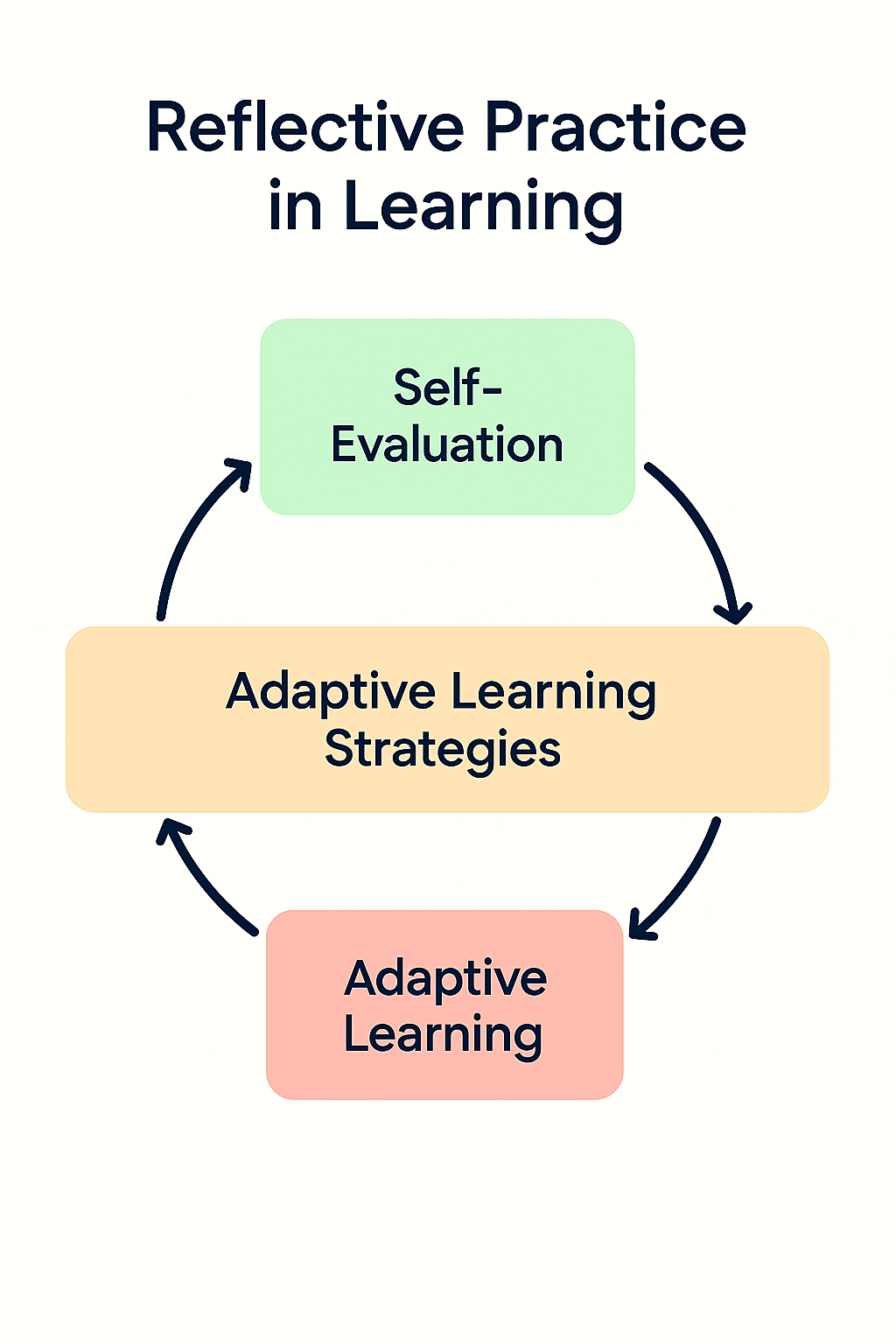
Reflective practice should be an ongoing process. Use a learning journal to record not just what you learn, but how you learn. Reflect on:
What strategies worked well and why they were effective.
Challenges faced and how you overcame them.
Areas for further development, including plans to address these in future learning sessions.