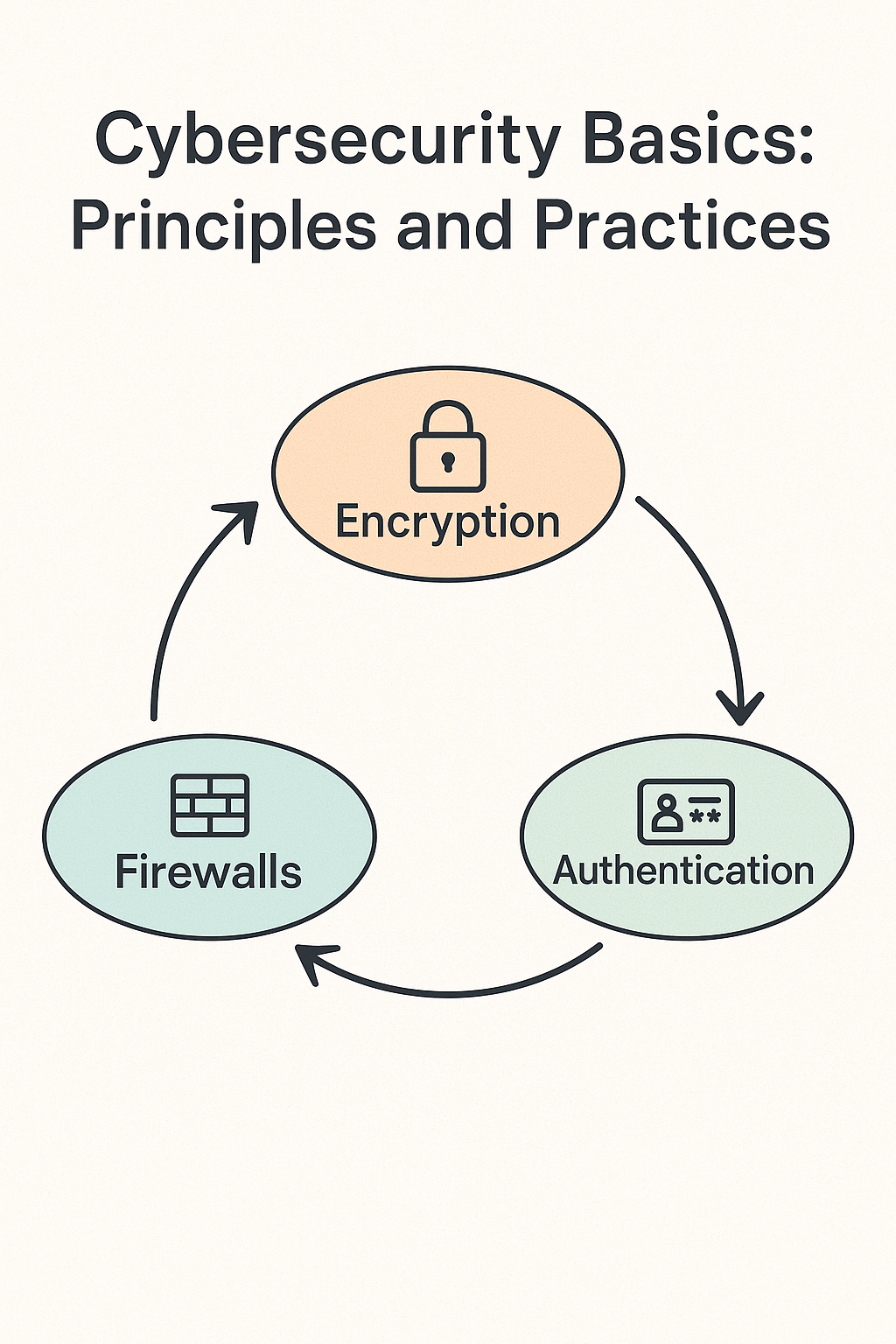
Internet security refers to the practices and technologies designed to protect data and communications from unauthorized access, use, disclosure, disruption, modification, or destruction. As our reliance on the Internet grows, so does the importance of robust security measures.
A. Common Threats:
– Malware: Malicious software includes viruses, worms, trojan horses, and spyware that can damage systems or steal personal information.
– Phishing: Fraudulent attempts to obtain sensitive information such as usernames, passwords, and financial details by impersonating a trustworthy entity.
– Man-in-the-Middle Attacks: When a hacker secretly intercepts and possibly alters the communication between two parties who believe they are directly communicating with each other.
– Distributed Denial of Service (DDoS) Attacks: Overwhelming a system’s resources by flooding it with excessive traffic, causing it to slow down or crash.
B. Security Measures:
– Firewalls: Network security systems that monitor and control incoming and outgoing network traffic based on predetermined security rules.
– Antivirus Software: Programs designed to detect and remove malware.
– Encryption: The process of encoding data to prevent unauthorized access, such as using HTTPS for secure communications.
– Authentication: Verifying the identity of users, devices, or processes, commonly through passwords, biometrics, or token-based systems.