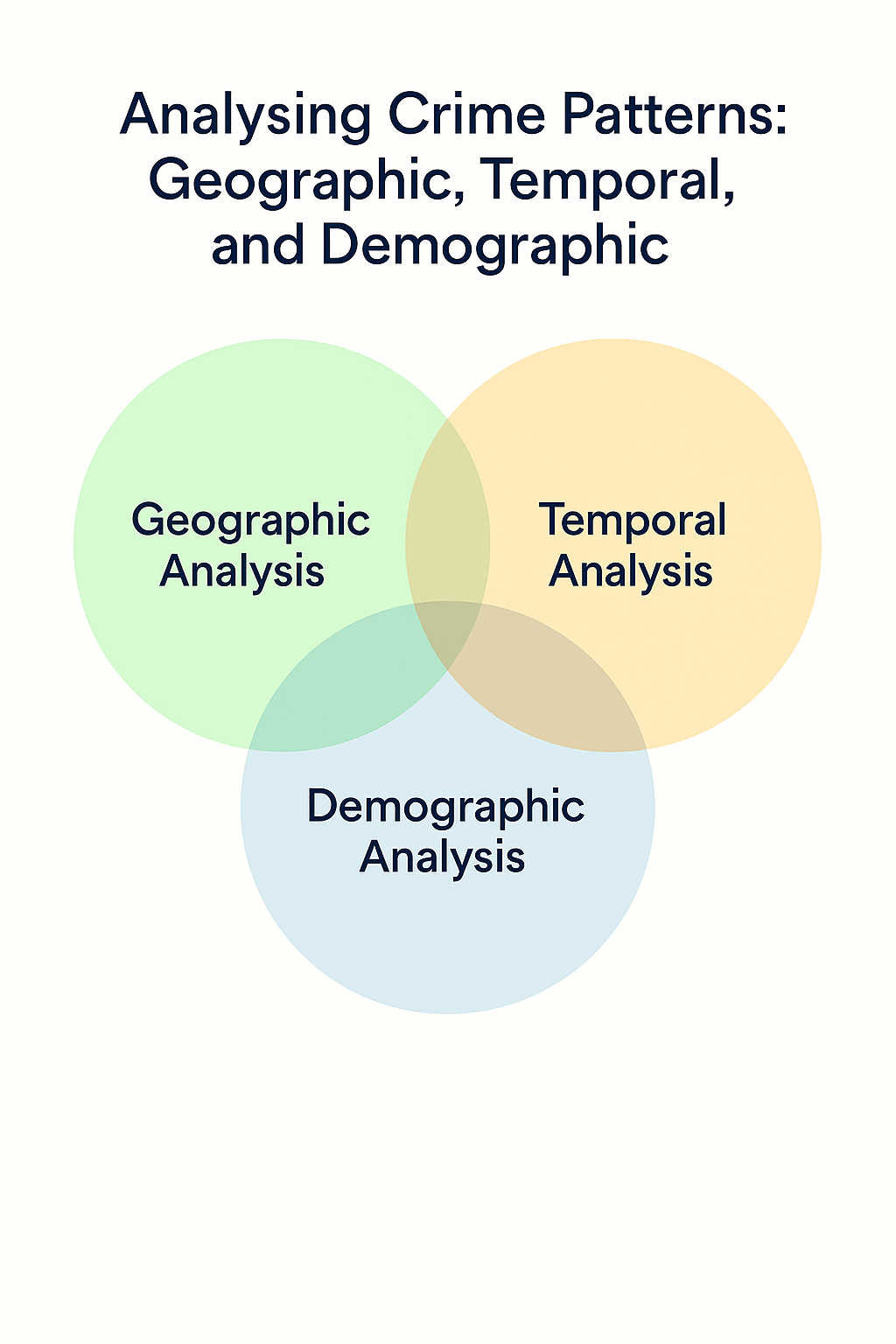
Crime patterns can be understood through various lenses, such as geographic, temporal, and demographic factors. Geographic analysis looks at the distribution of crime across different areas, identifying ‘hot spots’ where crime is more prevalent. Temporal analysis examines how crime rates fluctuate over time, considering variables like seasonality, weekly and daily cycles. Demographic analysis, meanwhile, delves into the characteristics of offenders and victims, including age, gender, and socioeconomic status.
Understanding these patterns is essential for developing targeted crime prevention strategies. For example, if a particular area experiences a high rate of burglary on weekend nights, police can increase patrols during those times to deter potential offenders.